The Lucky Bag
Share
The Lucky Bag
It is Sunday morning, the morning after the Knicks won the NBA Finals for the first time in fifty-three years, and the city has a particular sound to it that I have only heard once or twice before, which is a kind of low contented hum that comes from a few million people who have all decided, at approximately the same moment, that today is for being slightly tender about their city. I am at the kitchen counter, in a sweatshirt, with coffee. The chain at my collarbone is the chain I have been wearing since March, and the piece has not changed since Friday. The city has.
On Saturday night, somewhere in the third quarter of Game 5, Karl-Anthony Towns of the New York Knicks made a basket. His fiancée, Jordyn Woods, was watching from her seat at the AT&T Center in San Antonio, holding a small orange clutch on her lap. The clutch was, at that point in the playoffs, the most discussed accessory in American sports. The bag had been at nearly every Knicks game since April. It had not been at the one June game where the Knicks lost their winning streak, the night the venue had decided on short notice that no purses would be allowed inside. By Sunday morning the bag had been credited, semi-seriously and semi-not, with the Knicks' first championship in over half a century.
What made the bag lucky?
The bag became lucky because it was carried, consistently, by a specific wearer through a specific sequence of important moments, and because one of those moments happened to be the most watched basketball series since Michael Jordan's last championship. Luck, in the way the public uses the word for objects, is what we call the residue an object collects from being present for the things that matter.
Jordyn Woods carried the orange Tux Clutch Mini, a hundred twenty five dollar piece from her own brand Woods by Jordyn, to nearly every Knicks home game from April through June. The bag was on her lap through the first round series against Detroit, through the four straight wins against the Boston Celtics in the second, and through the conference finals against the Cavaliers, where the Knicks won four straight again. The bag accumulated. By the time the NBA Finals started in June, the bag was no longer just a bag. It was a thing the wearer was choosing to bring back to a specific room because the bag had been in that room when good things happened, and the act of bringing it back was a quiet refusal to leave anything to chance.
Then, in early June, there was a game where the bag was not in the room. The night the venue announced, on short notice, that no purses would be allowed in the building, the Knicks lost. The winning streak of thirteen games ended that night. This was, in the way the city processed the news, the bag's first absence and the first crack in what had been a perfect run.
What happened next has been told and retold across the sports media and the fashion media and the corner of the internet that pays attention to both: the policy was reversed, the bag came back, the Knicks completed the largest comeback in NBA Finals history, and on the morning after the championship Karl-Anthony Towns went on Good Morning America and said the bag was undoubtedly one of the greatest articles of clothing New York had ever seen. The sentence has been screenshotted thousands of times, and the wearer has accepted the credit, semi-seriously and semi-not, on her own Instagram. The bag has become an object.
What is a lucky piece of jewelry?
A lucky piece of jewelry is a piece a wearer has chosen to invest with the residue of the moments she carries it through. The piece does not have magical properties. The wearer's relationship to the piece is what makes it lucky. Most lucky pieces are small, daily, and worn quietly. The wearer who has one knows.
This is, I have come to think, the principle behind every piece of jewelry that has ever been described by its wearer as a piece she does not take off. The chain you wore the day you got the job, the ring you put on for the interview, the small charm at the base of the chain that you have been wearing for two years and cannot quite explain. These are lucky pieces. They are not lucky in the sense of bringing good fortune; they are lucky in the sense that the wearer has decided, by wearing them, that the moments around them are the moments she is willing to call good fortune.
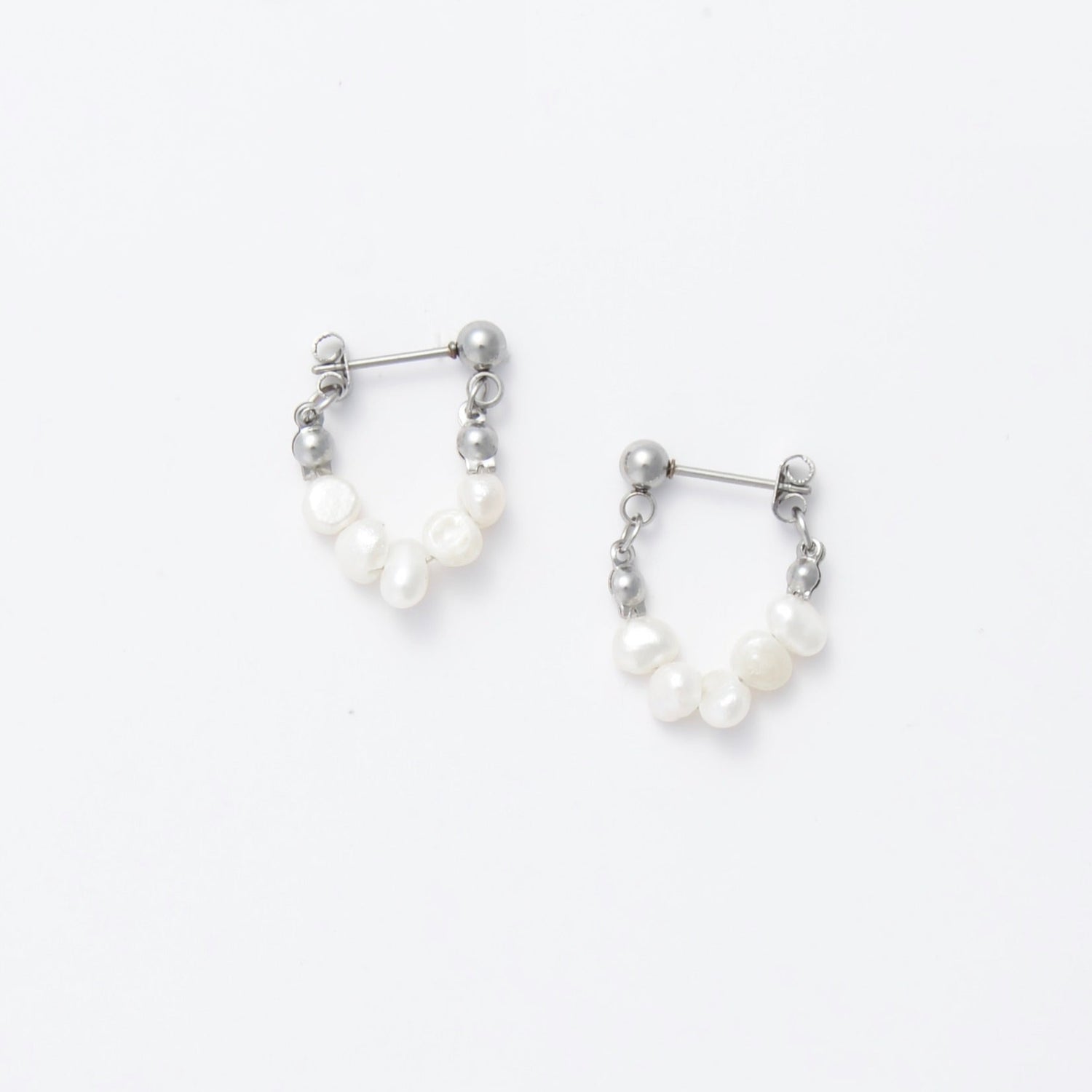
The Glass Balloon piece that has appeared most often in the brand's photography for two years now is the kind of piece that becomes a lucky piece in this way: a thin chain, a small charm, a pearl strand that sits at the base of the throat. Pieces in the 925 Sterling Silver Collection were designed for daily wear, which is the only kind of wear that produces a lucky piece. The piece that lives in a velvet pouch for ten years has accumulated nothing, whereas the piece that has been on a wearer's body through three jobs and four apartments has accumulated everything. The brand's longer reading on why most people save their jewelry for the wrong occasions covers this principle in more detail.
The piece becomes lucky because the wearer keeps reaching for it, and the repetition is the work. The piece that is reached for every morning, before everything else, is the piece that becomes the wearer's small specific touchstone. The principle is identical to what happened in the bag: the wearer chose, every game, to bring the bag, and the bag accumulated; the wearer of a piece of jewelry chooses, every morning, to put it on, and the piece accumulates.
How does a piece become a touchstone?
A piece becomes a touchstone through time, repetition, and emotional weight. The wearer puts it on for the things that matter, and over the course of months or years the piece accumulates the residue of those moments. The process is not deliberate. It happens because the wearer keeps choosing the piece, until eventually the piece feels chosen by something other than her own daily decision.
The two months between April and June were not a long time, by jewelry standards. The bag was new; Jordyn Woods had not been carrying it for years. The accumulation happened fast because the moments themselves were dense. A Knicks playoff run condensed into two months what most jewelry takes a decade to accumulate. But the principle was the same: the wearer brought the small specific object to the rooms that mattered, and the object collected the weight of those rooms.
For most jewelry, the accumulation is slower. The chain on a wearer's neck for three years has been to a thousand small Tuesday mornings and approximately four moments that the wearer would identify as significant. That is the ordinary pace. The chain accumulates anyway, the way a piece of furniture in a room accumulates the small marks of being in the room, and the wearer who looks at the chain ten years later sees the years in it without being able to point to a specific event. This is the slower kind of lucky, and it is the kind most jewelry becomes.
This is the principle behind the pearl beaded necklaces in the Glass Balloon collection, which were designed to be daily pieces that get more luminous through years of wear against skin. The charm necklaces work the same way, accumulating meaning through the wearer's relationship to the small specific thing at the base of the chain. The argument the brand has been making for years, that what makes jewelry look expensive has more to do with confidence than with cost, is the same argument in slightly different language: the piece becomes itself because the wearer has chosen to invest in being in a relationship with it.
It is still Sunday morning, and the chain at my collarbone is still the chain it was on Friday, but the city around it has changed enough that I am noticing the chain slightly more than I usually do. This is the residue, accumulating in real time. The chain has not done anything different, but the wearer is paying more attention to it because the city is paying attention to a different small specific object across town, and the attention to the bag has reminded the wearer to look at her own chain with the same kind of patience the bag has earned.
The Knicks won and the bag was there. The wearer who has her own version of this story knows what I am talking about. There is a small specific object somewhere in her life that has been there for the things that mattered, and that object has become, by being present, a piece of her relationship to her own luck. The piece does not need to be expensive; the piece needs to have been worn. The wearer is what makes it lucky, the bag knew this, and the chain at my collarbone knows it too, this Sunday morning, when the city is paying attention to its own small specific objects.