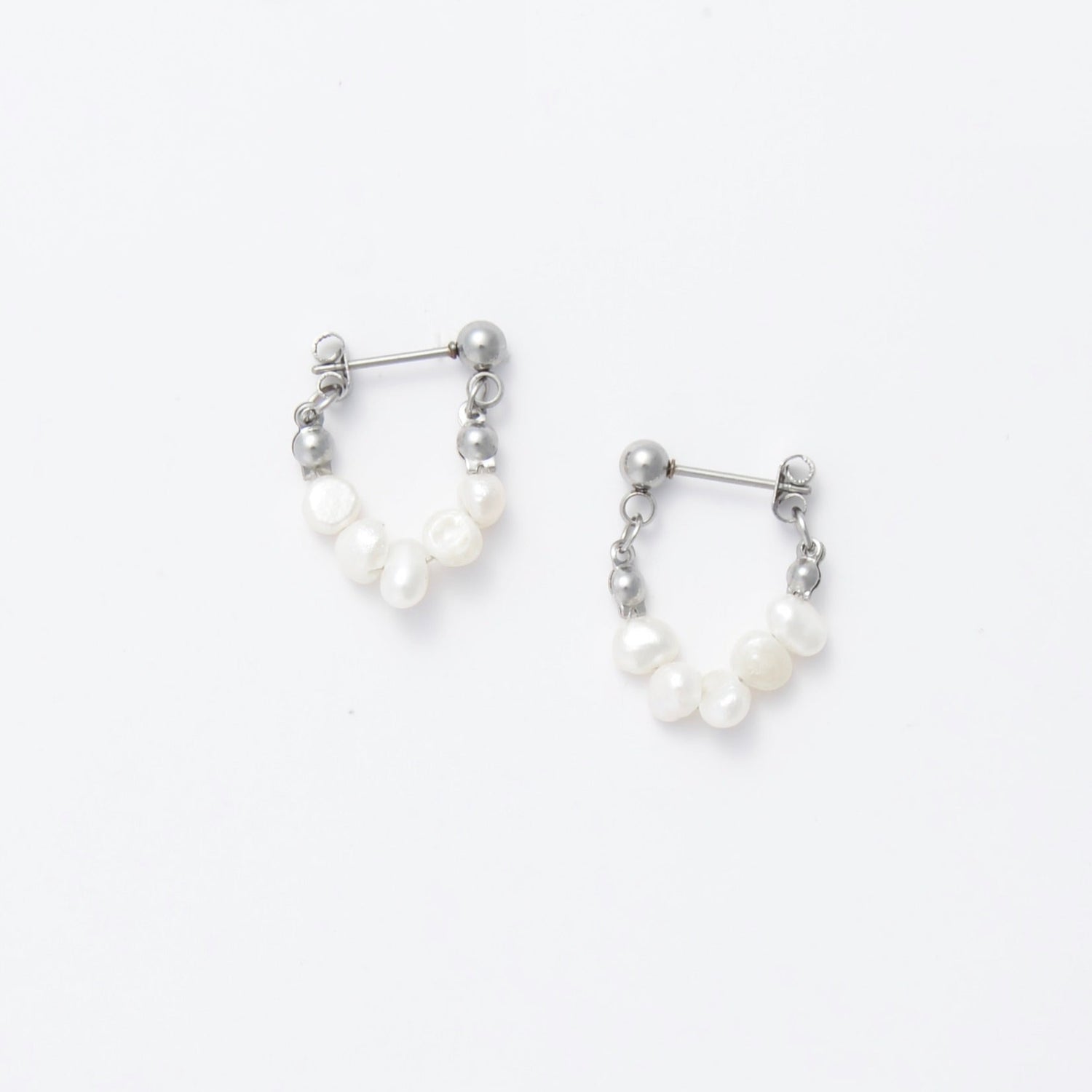
New Piercing, Sensitive Skin: When to Switch to Better Metals
Share
There is always a quiet moment after a new piercing.
You leave the studio aware of your ear in a way you were not before. A slight warmth. A tiny weight. The small promise of something that will eventually become part of you.
For people with sensitive skin, that early period can feel slightly more complicated. A little redness. A bit of tenderness. The question that begins to hover in the background: Is this normal… or is my skin reacting to the metal?
The truth is that most new piercings simply need time. But the metal sitting in that fresh channel matters more than most people realize. Knowing when to switch to better metals and hypoallergenic jewelry can make the difference between a smooth healing process and weeks of irritation.
This is not a panic guide. It is a gentle timeline. A way to listen to your skin without spiraling.
If you have a new piercing and sensitive skin, here is how to move through healing calmly and when to introduce better materials like nickel free earrings, modern pearl earrings, and hypoallergenic jewelry that your skin will actually love.
━━━━━━━━━━━━━━━━━━━━
The Quiet Moment After the Piercing
A piercing is small, but the body treats it seriously.
Even a simple earlobe piercing creates a tiny channel through living tissue. Your skin immediately begins repairing itself, building a healed path around the jewelry sitting inside it.
During those early days it is normal to notice:
• Mild redness
• Gentle swelling
• Tenderness when touched
• Slight warmth
This is simply your body doing its work.
But for people with sensitive skin, the metal inside the piercing can either support healing or quietly irritate it.
That is why professional piercers often begin with medical grade or hypoallergenic jewelry. These metals are less likely to trigger reactions while the piercing channel is forming.
Later, once the piercing stabilizes, you can begin introducing more everyday jewelry, minimalist jewelry, and handmade jewelry that fits your personal style.
Healing first. Styling later.
━━━━━━━━━━━━━━━━━━━━
Why New Piercings React to Certain Metals
Inside a healing piercing, the body is building something delicate.
The skin forms a thin epithelial lining around the jewelry post. This lining becomes the permanent channel that allows your piercing to stay open and comfortable.
When reactive metals are present, that healing process can struggle.
Metals that often cause irritation include low grade alloys that contain nickel, which is one of the most common jewelry allergies in the world.
When skin reacts to nickel or similar metals, you may notice:
• Persistent itching
• Redness that returns repeatedly
• Dry or flaky skin around the piercing
• Small irritation bumps
This is why nickel free earrings and hypoallergenic jewelry are so widely recommended, especially during the early months.
Better metals allow the skin to focus on healing instead of defending itself.
For many people with sensitive skin, switching to handcrafted jewelry made with safer materials becomes a long term solution.
━━━━━━━━━━━━━━━━━━━━
The Early Healing Window: Weeks 1 to 4
The first month after a piercing is the most delicate.
During this time, the best thing you can do is leave the jewelry alone.
Even if you are excited to try new gold jewelry, silver jewelry, or modern pearl earrings, it is usually too early to change the piece.
Typical healing sensations during weeks one through four include:
• Slight swelling
• A feeling of tightness around the piercing
• Occasional tenderness when sleeping on the ear
• A small amount of clear fluid during healing
These are normal.
What matters most is keeping the area clean and allowing the piercing to stabilize without unnecessary movement.
Changing jewelry too early can disturb the forming channel and prolong healing.
Quiet patience is surprisingly powerful here.
━━━━━━━━━━━━━━━━━━━━
Subtle Signs Your Skin Is Asking for Better Metals
Sensitive skin often communicates in small ways.
If your piercing seems calm most days but becomes irritated again and again, the metal might be part of the story.
Signs that your skin may prefer better metals or hypoallergenic jewelry include:
• Redness that returns after the first few weeks
• Persistent itching near the jewelry post
• A mild rash around the piercing
• Discomfort when wearing certain earrings
This does not mean something is wrong.
It simply means your skin might be asking for nickel free earrings, sterling silver jewelry, or gold filled jewelry that feels gentler.
Think of it less as a problem and more as your skin refining its preferences.
━━━━━━━━━━━━━━━━━━━━
The Gentle Timeline for Upgrading Your Jewelry
One of the most common questions is simple.
When can I switch my piercing jewelry?
The answer depends slightly on where the piercing sits, but there are some calm guidelines.
- Earlobe piercings often allow jewelry changes after about 4 to 6 weeks.
- Cartilage piercings usually require 3 to 6 months before switching.
- Full healing can take several months even after the piercing feels comfortable.
When the time comes to change jewelry, upgrading to hypoallergenic jewelry or nickel free earrings is often the safest move.
This is when many people begin building a small rotation of everyday jewelry they can wear comfortably.
Pieces like minimalist pearl earrings, modern drop earrings, and simple gold jewelry often become daily staples.
━━━━━━━━━━━━━━━━━━━━
Metals That Sensitive Skin Usually Loves
Not every metal behaves the same way on skin.
Some materials are widely trusted for sensitive ears and healing piercings because they contain little or no nickel.
Common skin friendly options include:
-
Surgical steel
Widely used in professional piercing jewelry. -
Sterling silver jewelry
A classic material that many sensitive ears tolerate well. -
14k gold filled jewelry
Durable and far less reactive than gold plating. -
Gold vermeil jewelry
A thicker gold layer over sterling silver that offers a quiet luxury feel.
These materials are common in handmade jewelry and designer jewelry collections, especially brands focused on tarnish resistant jewelry and everyday wear.
The difference can be subtle but noticeable.
Jewelry that works with your skin simply feels calmer.
━━━━━━━━━━━━━━━━━━━━
Why Nickel Free Earrings Matter More Than You Think
Nickel allergies affect millions of people.
The challenge is that nickel is often hidden inside jewelry alloys used to strengthen cheaper metals.
Even small amounts can cause irritation over time.
This is why nickel free earrings and hypoallergenic jewelry are such a reliable choice for people with sensitive skin.
They remove one of the most common triggers entirely.
For new piercings especially, wearing nickel free jewelry reduces the chance of recurring irritation that can slow healing.
Once people switch to better materials, many notice their piercings suddenly feel effortless again.
Almost invisible.
━━━━━━━━━━━━━━━━━━━━
The Quiet Luxury Approach to Everyday Jewelry
There is something elegant about jewelry that does not demand attention but quietly improves how you feel wearing it.
That is the philosophy behind quiet luxury jewelry.
Instead of constantly rotating flashy pieces, many people with sensitive skin build a small collection of modern jewelry and minimalist jewelry that works every day.
Think:
• delicate gold earrings
• sculptural silver jewelry
• subtle pearl earrings
• simple layered necklaces
Pieces that move easily from work to dinner, from morning coffee to a late night walk through the city.
When the materials are good and the design is thoughtful, jewelry becomes something you forget you are wearing.
And that is usually the goal.
━━━━━━━━━━━━━━━━━━━━
Pearl Earrings and Gentle Materials for Healing Ears
Pearls have quietly returned to modern jewelry in the last few years.
Not in the formal way people remember, but in relaxed silhouettes and minimalist pearl earrings that feel easy to wear.
For sensitive ears, pearls can be especially appealing because they are often paired with sterling silver, gold filled, or hypoallergenic jewelry posts.
Popular options include:
• freshwater pearl earrings
• baroque pearl earrings
• asymmetrical pearl earrings
• romantic pearl earrings
These pieces balance softness with structure and fit beautifully into a quiet luxury jewelry wardrobe.
They feel timeless without feeling traditional.
━━━━━━━━━━━━━━━━━━━━
How to Switch Jewelry Without Disturbing Healing
When your piercing is ready for a jewelry change, a slow approach helps keep everything calm.
A simple routine works well.
- Wash your hands thoroughly.
- Clean the new hypoallergenic jewelry before inserting it.
- Switch jewelry after a warm shower when skin is relaxed.
- Move slowly and avoid forcing the post.
- If you feel resistance, pause and try again later.
Changing jewelry should feel gentle.
If it hurts or the piercing becomes red afterward, it may simply need a little more time.
Healing does not follow a perfect schedule.
━━━━━━━━━━━━━━━━━━━━
If Your Piercing Still Feels Sensitive
Even with good materials, some piercings remain slightly sensitive for longer.
This is especially common with cartilage piercings.
If irritation continues, consider:
• returning temporarily to the original piercing jewelry
• switching to nickel free earrings
• giving the piercing a few additional weeks before changing jewelry again
When something feels unusual or painful, a professional piercer can always take a look.
Most issues are small and easy to correct.
━━━━━━━━━━━━━━━━━━━━
Building a Small Collection of Skin Friendly Jewelry
Once your piercing is fully comfortable, the fun part begins.
Many people start building a rotation of everyday jewelry that works with their skin and their style.
A balanced collection might include:
- Minimalist gold earrings for daily wear
- Sterling silver jewelry for cooler tones
- Pearl earrings for subtle elegance
- A few statement earrings for evenings out
- A charm necklace or layered necklaces that become a signature look
Jewelry like this becomes part of your daily rhythm.
The pieces you reach for without thinking.
━━━━━━━━━━━━━━━━━━━━
Jewelry That Works With Your Skin, Not Against It
Good jewelry should feel like a quiet companion.
Not something your body constantly notices.
When the metals are right and the design is thoughtful, handmade jewelry and hypoallergenic jewelry become part of how you move through the day.
A small flash of gold when you turn your head.
A pearl catching light in the mirror.
A necklace resting against your collarbone as you step out into the evening.
Your skin usually knows what it likes.
Sometimes all we need to do is listen.
And when you do, the right jewelry almost always reveals itself.