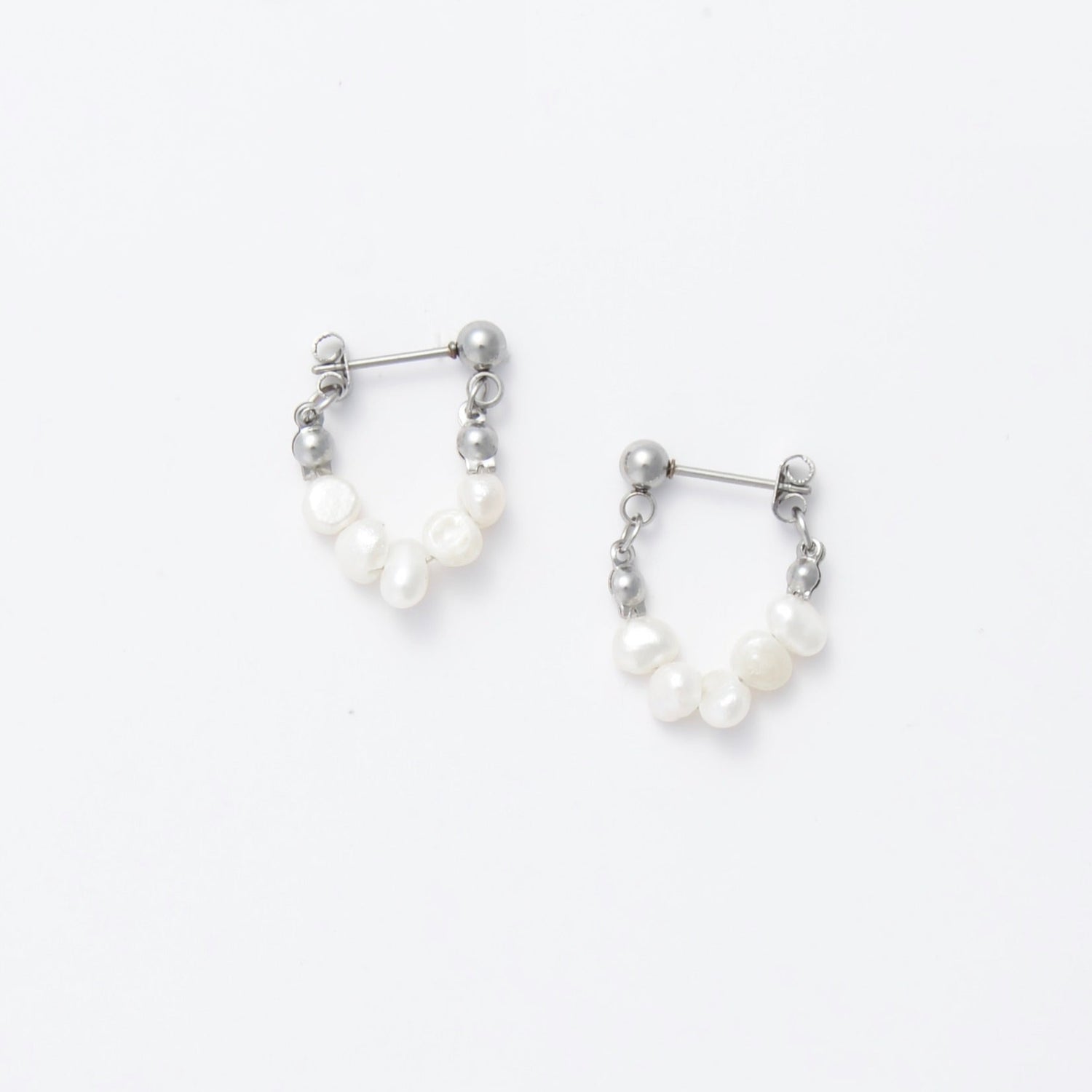
Hypoallergenic Jewelry and Nickel Free Earrings
Share
There is a moment, usually late in the day, when you reach up and touch your ear without realizing why. The room is quieter. Your shoulders drop. And suddenly you notice it. A faint heat under the lobe. A low grade itch that has been building quietly all afternoon.
Sensitive ears rarely announce themselves loudly. They whisper first.
If you have ever slipped your earrings off at night and felt instant relief, this guide is for you. Not as a warning. Not as a rulebook. But as clarity. Hypoallergenic jewelry and nickel free earrings are not about restriction. They are about returning jewelry to its proper place. Something you wear because it feels right. Something that disappears into your day instead of interrupting it.
This tutorial is for style curious readers and potential customers who want to understand what hypoallergenic jewelry actually means, why nickel causes so many reactions, and how materials like surgical steel, stainless steel, and 14k gold filled jewelry behave in real life wear. Especially when your ears get angry and you want them to calm down again.
────────────────────────────────────
What Hypoallergenic Jewelry Actually Means
Hypoallergenic is one of those words that sounds like a promise but behaves more like a suggestion.
In jewelry, it generally means the materials used are less likely to cause irritation for most people. It does not mean immune. It does not mean universal. And it is not a regulated guarantee.
Two pairs of earrings can sit side by side. Same label. Same tone. Same shine. One you forget you are wearing. The other you count the minutes until you can take off.
The difference lives beneath the surface. In the alloy. In the finish. In how much thought was given to the body that would wear it.
Hypoallergenic jewelry is not a category. It is an outcome. And it starts with honesty about materials.
────────────────────────────────────
Why Nickel Is the Real Problem
Nickel is efficient. It strengthens metals. Keeps costs down. Holds shape. It is also one of the most common contact allergens in the world.
For sensitive ears, nickel rarely needs an invitation. Heat, moisture, and friction do the rest. Earrings sit in a vulnerable place. Thin skin. Direct contact. Long hours.
The reaction is often subtle at first. A warmth that feels almost imagined. A tiny itch that comes and goes. But nickel reactions compound. Each wear makes the next one easier to trigger.
This is why nickel free earrings matter. Truly nickel free. Not masked. Not sealed under thin plating. Just absent.
────────────────────────────────────
If Your Ears Get Angry, Listen
Sensitive ears are patient until they are not.
They will tolerate a lot before pushing back. A long day. A heavy earring. A rough post. But once they cross that line, they remember.
Redness that lingers. Soreness that feels deeper than skin. A tenderness that makes even gentle touch feel like too much.
The instinct is often to push through. To tell yourself it is fine. That it will settle.
It rarely does.
Comfort comes from listening early and changing materials before irritation becomes routine.
────────────────────────────────────
Surgical Steel Explained
Surgical steel has a calm presence. It does not sparkle loudly. It does not oxidize dramatically. It just holds steady.
Most surgical steel earrings are made from alloys like 316L, designed for prolonged contact with the body. While they contain trace amounts of nickel, the nickel is tightly bound within the metal structure, making it far less reactive for most people.
On the ear, surgical steel feels cool at first. Then neutral. Then invisible. It resists corrosion. Handles moisture. And tends to behave well during long wear days.
For many sensitive ears, surgical steel earrings are where comfort returns.
────────────────────────────────────
Stainless Steel vs Surgical Steel
Stainless steel is a wide landscape. Surgical steel is a specific address within it.
Some stainless steel jewelry is thoughtfully sourced and finished. Some is not. The difference shows up after a few hours on the body.
Surgical steel tends to be more predictable. More consistent. More forgiving. Especially for earrings meant to be worn all day, through movement, heat, and quiet moments you forget you are wearing them.
If a brand cannot tell you what kind of stainless steel they use, that absence is information.
────────────────────────────────────
14k Gold Filled Jewelry
14k gold filled jewelry carries warmth. Visually and physically.
Gold filled means a thick layer of solid gold is bonded to a core metal. Not painted on. Not misted over. Actually bonded.
On the ear, well made 14k gold filled earrings feel smooth and stable. The gold layer acts as a barrier, separating your skin from whatever lives beneath. When crafted correctly, it wears slowly and gracefully.
For sensitive ears that crave gold tones without compromise, this material often feels like a quiet yes.
────────────────────────────────────
Sterling Silver and Why It Is Tricky
Sterling silver is familiar. Soft. Nostalgic.
It is also unpredictable for sensitive skin.
Sterling silver contains copper, which can irritate some ears. Tarnish changes the surface over time. That subtle dulling can create friction the skin notices immediately.
Some people wear sterling silver earrings effortlessly. Others feel discomfort within hours. If your ears react inconsistently, sterling silver may be the reason.
It is not wrong. It is just particular.
────────────────────────────────────
Materials That Tend to Be Safest for Earrings
When comfort is the priority, these materials tend to create the least resistance:
• Surgical steel earrings
• High quality stainless steel earrings
• 14k gold filled earrings
• Thoughtfully made gold vermeil with proper barriers
These materials show up often in everyday jewelry and modern jewelry collections designed for real wear, not just photographs.
────────────────────────────────────
What to Look for When Shopping Nickel Free Earrings
Shopping for nickel free earrings is an exercise in reading carefully.
Look for specificity. Surgical steel rather than steel. 14k gold filled rather than gold tone. Clear material descriptions rather than vague reassurance.
Notice how brands talk about sensitive skin. Do they acknowledge it as common. Do they explain their choices. Do they stand behind their materials.
Trust builds quietly when transparency is present.
────────────────────────────────────
The Role of Finish, Weight, and Wear Time
Even the right material can fail if the details are ignored.
A rough edge catches. A heavy drop pulls. A poorly polished post creates friction you feel hours later.
Lightweight earrings tend to disappear into the body. Smooth finishes reduce irritation. Earrings designed for long wear behave differently than ones meant for brief moments.
Everyday jewelry should feel like it settles in. Not like it asks something from you.
────────────────────────────────────
How We Think About Sensitive Ears at Glass Balloon
At Glass Balloon, comfort is part of the design language.
Materials are chosen the same way silhouettes are shaped. With intention. With restraint. With wear in mind. Surgical steel, stainless steel, 14k gold filled jewelry, and pearl earrings are tested through long days, movement, and real skin responses.
If an earring cannot disappear after a few minutes, it does not move forward.
────────────────────────────────────
Styling Hypoallergenic Earrings Without Compromise
There is no aesthetic penalty for choosing comfort.
Minimalist jewelry reads cleaner when it is lightweight. Pearl earrings feel more modern when they do not pull. Sculptural forms feel intentional when they sit easily.
Hypoallergenic jewelry allows style to come forward without distraction. Nothing itching. Nothing burning. Nothing pulling you out of your own presence.
────────────────────────────────────
Caring for Earrings If You Have Sensitive Skin
Care is a continuation of comfort.
Wash earrings gently. Dry them fully. Store them away from humidity. Let your ears rest between wears.
If irritation begins, remove earrings immediately. Let the skin calm. Sensitive ears heal quickly when respected.
────────────────────────────────────
Closing Reflection
Hypoallergenic jewelry is not about being careful. It is about being attuned.
Nickel free earrings, thoughtful materials, and quiet design choices create space for jewelry to return to its role. Adornment that feels natural. Expression that does not cost you comfort.
Your ears know when something belongs.
The rest is just listening.